Call us now :08045479042
 Send Inquiry
 Send Inquiry
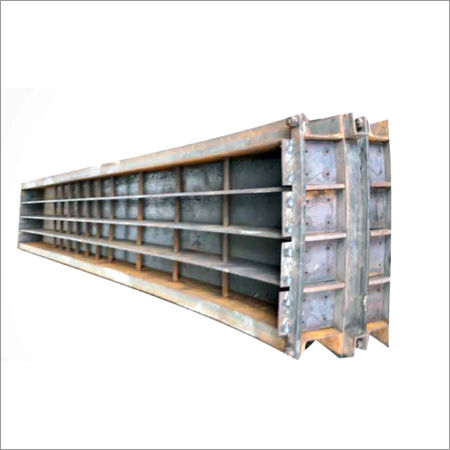
Prestressed Mould
Price 60 INR/ Ton
MOQ : 1 Ton
Prestressed Mould Specification
- Life Span
- Up to 10 years under standard conditions
- Cavity
- Single / Multi-cavity
- Mold Base
- Mild Steel / High Strength Steel
- Molding Material
- Prestressed Concrete
- Shaping Mode
- Precast Mould
- Material
- Alloy Steel / Carbon Steel
- Tolerance
- 0.1 mm to 0.3 mm
- Mould Weight
- 300 kg - 2000 kg (as per design)
- Mould Life
- 100,000+ cycles
- Delivery Condition
- Ready to install
- Application
- Prestressed Concrete Products Manufacturing
- Core Hardness
- HRC 48-55
- Surface Treatment
- Polished / Anti-corrosion Coating
- Applicable Standards
- IS, ASTM, or as specified
- Max Working Temperature
- Up to 350C
- Production Capacity
- Custom / As per order
- Customization
- Available on design and dimensions
Prestressed Mould Trade Information
- Minimum Order Quantity
- 1 Ton
- Average Load Time
- 3-6 minutes
- Supply Ability
- 15 Tons Per Day
- Delivery Time
- 1 Week
About Prestressed Mould
prestressed molud :-Technical Specifications:
| Max Clamping Pressure | 50 Ton |
| Material | Metal |
| Application | Civil Works |
| Shaping Mode | Forging Mould |
| Shape | Rectangular |
| Max Heading Pressure | 16 Ton |
Exceptional Durability and Precision
Built for longevity, these moulds endure high-frequency use, offering over 100,000 cycles and lasting up to a decade. Their core hardness (HRC 4855) assures shape retention and reliability, while precise manufacturing tolerances (0.1 mm to 0.3 mm) guarantee consistently superior concrete products.
Customizable to Project Needs
These moulds accommodate unique project demands, including custom dimensions, cavity configurations, and production capacity. Adherence to IS, ASTM, or client-specific standards ensures compliance, while advanced surface treatments protect against corrosion and facilitate easy maintenance.
Ready-to-Use and Versatile
Supplied ready to install, the moulds simplify setup for manufacturers, suppliers, and exporters in India. Options for mild steel or high-strength steel bases enhance adaptability, while compatibility with prestressed concrete molding ensures efficiency for both large-scale and specialist applications.
FAQs of Prestressed Mould:
Q: How is the surface treatment applied to prestressed moulds, and what benefits does it provide?
A: The moulds are treated with either polishing or anti-corrosion coating, enhancing their resistance to abrasion, moisture, and chemical exposure. This extends lifespan and maintains quality during frequent use in concrete production.Q: What customization options are available for these moulds in terms of design and dimensions?
A: Clients can specify mould dimensions, cavity counts (single or multi-cavity), material (alloy or carbon steel), and base type (mild or high-strength steel). Designs are tailored according to project or industry standards, such as IS and ASTM.Q: When is it ideal to use these prestressed moulds in manufacturing processes?
A: These moulds are suited for applications requiring precision and durability, such as mass production of prestressed concrete products in construction, infrastructure, and civil engineering projects.Q: Where are these moulds typically manufactured and supplied from?
A: The moulds are produced and exported from India by certified manufacturers, suppliers, exporters, and traders, ensuring compliance with both domestic and international quality standards.Q: What is the process for installing and utilizing these moulds in a manufacturing setting?
A: Each mould is delivered in a ready-to-install condition. Installation involves securing the mould base, preparing reinforced concrete material, and following specified shaping modes for efficient, high-quality output.Q: How does the moulds high core hardness contribute to its performance and lifespan?
A: A core hardness range of HRC 4855 ensures resistance to deformation, wear, and thermal stress, enabling sustained operation through at least 100,000 production cycles and up to 10 years of service under standard conditions.Q: What are the main benefits of using moulds with 0.1 mm to 0.3 mm tolerance for prestressed concrete manufacturing?
A: Tight tolerances result in consistently accurate concrete products, reducing material wastage and ensuring compatibility with prefabrication standards, thus improving structural integrity in final applications.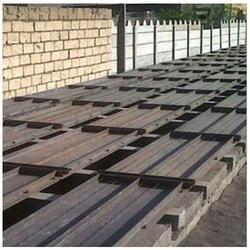
Tell us about your requirement

Price:
Quantity
Select Unit
- 50
- 100
- 200
- 250
- 500
- 1000+
Additional detail
Mobile number
Email

More Products in Precast Construction Moulds Category
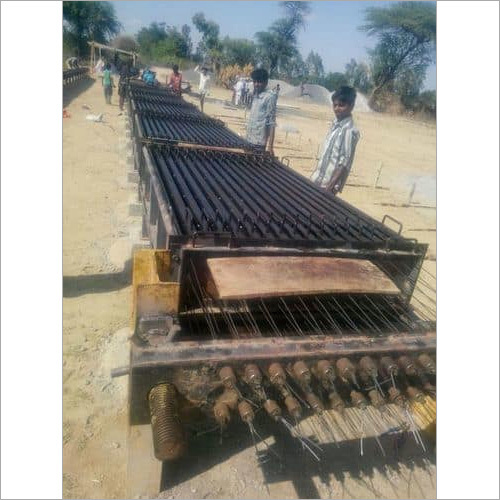
Industrial Compound Wall Box Mould
Price 85.0 INR / Ton
Minimum Order Quantity : 1 Ton
Life Span : Up to 10 Years
Cavity : Single or Multiple
Shaping Mode : Injection Mould
Tolerance : 7 Feet (ft)
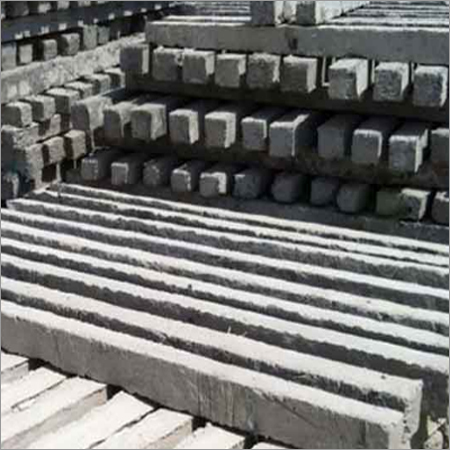
Prestressed Fencing Pole Mould
Price 60 INR / Ton
Minimum Order Quantity : 1 , , Ton
Life Span : 57 Years
Cavity : Single
Shaping Mode : Other, Prestressed Mould
Tolerance : 1 mm
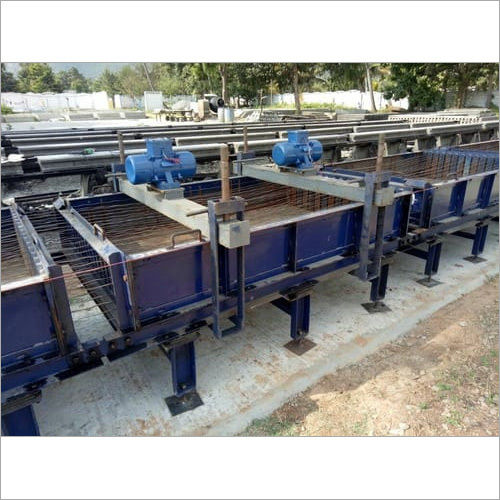
Precast Compound Wall Box Mould
Price 60 INR / Ton
Minimum Order Quantity : 1 , , Ton
Life Span : 57 years under regular use
Cavity : Single Cavity
Shaping Mode : Other, Precast Mould
Tolerance : 2 mm
Pretressed Fencing Pole Mould
Price 60 INR / Ton
Minimum Order Quantity : 1 Ton
Life Span : 1012 years
Cavity : Single
Shaping Mode : Other, Precast Molding
Tolerance : 2 mm

 Send Inquiry
Our Products
- Precast Construction Moulds
- Compound Wall Moulds
- Garden Bench Moulds
- Manhole Covers Mould
- Window Frame Mould
- Vibrator Table Mould
- Precast Concrete Mould
- Precast Concrete Wall
- Manhole Cover Mould
- Pole Mould
- Vibrator Table
- Fabrication Service
- Boundary Wall Mould
- Drain Mould
- Concrete Wall Mould Machine
- Carbon Steel Wire
- Heavy Fabrication
- Wall Panel Die
- Column Mould
- Wall Panel Mould
- Door Frame Mould
- Die Casting Mould


Moviya Road, Opp. Sahara Petrol Pump,Gondal - 360311, Gujarat, India

Mr Pankajbhai Patel
Mobile :08045479042
 Send Inquiry
 Send SMS
Developed and Managed by Infocom Network Private Limited.
